Reverse Mortgage Louisiana: How New Orleans Seniors Use HECM To Afford Insurance And Stay Home
Discover how New Orleans and Southeast Louisiana seniors are using FHA reverse mortgages (HECM) to eliminate monthly payments, cover soaring insurance costs, and stay in their homes with confidence.
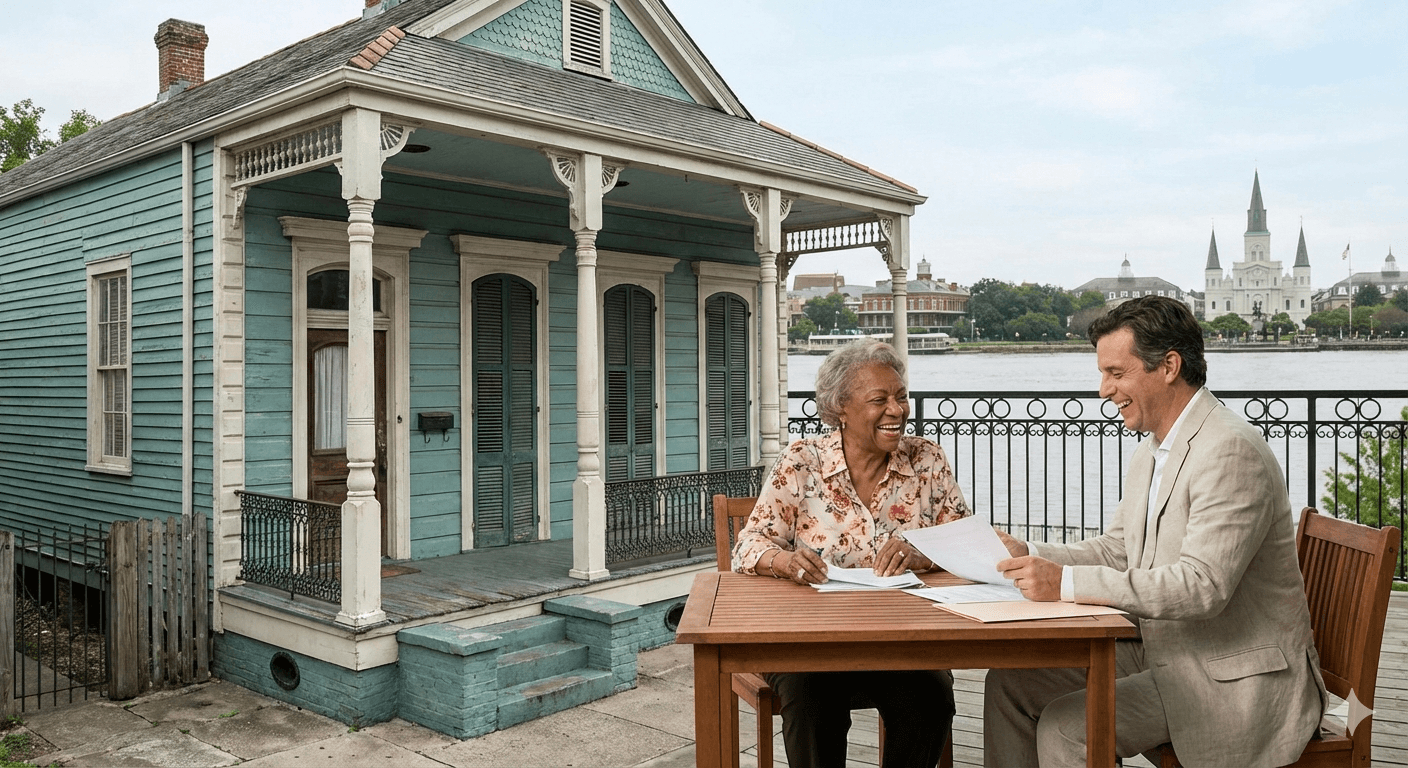
How Reverse Mortgages Are Helping New Orleans Seniors Handle Soaring Costs And Stay In Their Homes
Insurance And Monthly Payments Are Squeezing Louisiana Seniors
If you are a homeowner in New Orleans, Jefferson Parish, St. Bernard, St. Tammany, or any of the surrounding parishes, you have probably felt it.
Insurance premiums are climbing. Taxes feel heavier. Everyday expenses are higher. For seniors on a fixed income, that combination can turn a comfortable retirement into a constant worry.
Many retirees are asking the same questions:
How am I supposed to keep paying this mortgage and these insurance bills?
Do I have to sell my home just to make ends meet?
For some New Orleans area seniors, the answer has been a different strategy altogether.
Reverse mortgages, specifically FHA insured Home Equity Conversion Mortgages (HECMs), are giving seniors a way to stay in their homes, eliminate monthly mortgage payments, and create breathing room in their budget.
Charles H. Parharm Jr., NMLS 1413036, a Certified FHA Mortgage Professional with over 20 years in the mortgage and real estate industry, helps local seniors understand how reverse mortgages really work in Louisiana and how they can be used as a flexible financial tool.
What Is A Reverse Mortgage (HECM) For Louisiana Seniors
A reverse mortgage is a loan designed for homeowners who are at least 62 years old and live in their home as a primary residence.
Instead of you making a mortgage payment to the lender, the lender allows you to access part of your home equity as:
A lump sum at closing
Monthly payments
A line of credit you can draw on when needed
Or a combination of these options
You still own your home. You still hold title. The reverse mortgage simply becomes the new loan on the property.
Monthly mortgage payments to the lender are not required. Instead, the loan balance is repaid later, usually when you move out, sell the home, or pass away. At that point, your heirs can choose to sell the home or refinance it.
You must still:
Maintain homeowners insurance
Maintain flood insurance if required
Keep property taxes current
Keep the home in reasonable condition
That is true whether you are in Orleans Parish, Jefferson Parish, St. Bernard, or any other parish in Louisiana.
Local Insight: A Real Life New Orleans Area Example
Here is a real scenario from one of Charles’ clients in the New Orleans area.
A 70 year old homeowner came to Charles with a monthly mortgage payment of about 1,523 dollars. On a fixed income, that payment was cutting deep into her monthly budget.
Here is what happened when she did a reverse mortgage:
Her existing mortgage was completely paid off at closing
She no longer had to make that 1,523 dollar payment
In real life, this felt like getting about an 1,100 dollar monthly “raise” because that money stayed in her pocket
Charles also helped her shop new homeowners insurance quotes, saving about 75 dollars per month
On top of that, she received a 40,000 dollar line of credit that she could tap for future needs
The result was simple but powerful. She stayed in her home, reduced her monthly stress, and had a reserve of funds available for future repairs, medical needs, or emergencies.
This is the kind of practical, local use of a reverse mortgage that many seniors in Southeast Louisiana never hear about.
Flood Zones, Insurance And Reverse Mortgages In Louisiana
Flood zones are a big part of homeownership in the New Orleans area, but many people are surprised by how reverse mortgages look at them.
Flood zones themselves do not prevent you from getting a reverse mortgage
The requirement is that you must maintain proper homeowners insurance and flood insurance if your property is in a flood zone
So whether you are in a preferred risk zone in Jefferson Parish or a higher risk area in St. Bernard or Plaquemines, the key is the same. Insurance must be in place and kept current.
Reverse mortgage proceeds can help you do exactly that, by providing funds that can be used to pay insurance and property taxes as they renew each year.
What This Means For You In The New Orleans Area
If you are 62 or older and own a home in New Orleans or the surrounding parishes, a reverse mortgage might help you:
Eliminate your current monthly mortgage payment
Cover rising homeowners insurance
Stay on top of flood insurance premiums
Keep property taxes current
Free up cash flow for medical expenses, groceries, and everyday life
Age in place without feeling forced to sell the home you love
For many Louisiana seniors, the most common pattern Charles sees is this:
They use the reverse mortgage to pay off the existing mortgage
They choose a partial lump sum at closing plus a line of credit
They use that line of credit over time for insurance, repairs, or emergencies
The result is lower monthly pressure and more flexibility, which matters a lot when costs are unpredictable.
How You Can Use Reverse Mortgage Funds
One of the reasons Charles views reverse mortgages as a financial tool is the flexibility of how funds can be used. When properly structured, a reverse mortgage can help a homeowner:
Cover insurance and property taxes each year
Build a reserve for emergency home repairs
Create a stream of extra monthly income
Purchase a vacation home
Start or grow an investment portfolio
Purchase investment real estate
The key is tailoring the disbursement type to the homeowner’s goals. Common options include:
Partial lump sum at closing plus a line of credit
Full lump sum if there is a specific need
Monthly payments over a set period of time
A custom mix of the above
This is where an experienced local loan officer matters. The structure should match your retirement goals, your risk tolerance, and your family plan.
Common Questions About Reverse Mortgages In Louisiana
Do I still own my home if I get a reverse mortgage?
This is the number one concern Charles hears from New Orleans area seniors.
Yes, you still own your home. You remain on title.
The reverse mortgage simply becomes the new loan on the property. Just like any other mortgage, if you sell the home, the loan is paid off at closing and any remaining equity is yours.
Who qualifies for a reverse mortgage in Louisiana
Basic HECM eligibility includes:
At least one borrower is 62 or older
The home is your primary residence
You have enough equity in the home to support the loan
You complete required HUD approved counseling
This applies statewide, including Orleans, Jefferson, St. Tammany, St. Bernard, Plaquemines, and beyond.
Can I use reverse mortgage funds to pay homeowners and flood insurance
Yes. Once the reverse mortgage is in place, the funds you receive can be used however you choose, including:
Homeowners insurance
Flood insurance
Property taxes
Repairs or improvements
Everyday expenses
Many Louisiana seniors specifically use their reverse mortgage line of credit to pay insurance and taxes when they come due each year.
What happens to the reverse mortgage when I pass away or move out
When you permanently leave the home or pass away, the loan becomes due.
Your heirs usually have these options:
Sell the home and use the proceeds to pay off the loan
Refinance the home into a new loan in their own name
If the loan balance is higher than the home value, FHA insurance steps in so they never have to pay more than what the home is worth
In other words, your family is not stuck with an unmanageable debt.
What disbursement options are most common in the New Orleans area
In Charles’s experience, the most common strategy is a mix of:
Paying off the existing mortgage at closing
Taking a manageable lump sum
Opening a line of credit for future use
That combination gives seniors immediate relief plus a flexible safety net for later.
Reverse Mortgage Myths In The New Orleans Market
Myth 1: I will lose my home.
Reality: You remain the owner. You stay on title. The lender does not take your home as long as you meet your obligations for insurance, taxes, and upkeep.
Myth 2: My kids will be stuck with a huge bill.
Reality: Reverse mortgages are non recourse. Your heirs never have to pay more than the home is worth. They can sell the property or refinance it. If the sale proceeds are less than the loan balance, FHA insurance covers the difference.
Myth 3: Reverse mortgages are only for people who are broke.
Reality: Many financially stable seniors use reverse mortgages as a planning tool. In Louisiana, some use it to protect retirement assets, create a line of credit for future care, or leverage equity to buy investment property or a vacation home.
Myth 4: Flood zones disqualify me.
Reality: Being in a flood zone does not disqualify you. What matters is that you maintain the required homeowners and flood insurance. Reverse mortgage funds can actually help you afford those premiums.
Your Simple Action Plan As A New Orleans Area Homeowner
If you are curious whether a reverse mortgage could help you, here is a straightforward plan:
Review Your Current Situation
List your current mortgage payment, insurance costs, property taxes, and major monthly expenses.
Schedule A Local Reverse Mortgage Consultation
Talk with Charles about your goals, your property, and your concerns. He will run numbers based on New Orleans and surrounding parish values and insurance realities.
Complete Required HUD Counseling
This step ensures you fully understand how the HECM works and protects you as a borrower.
Choose Your Disbursement Strategy
Decide whether you want a lump sum, monthly payments, a line of credit, or a combination. Charles will help match the structure to your goals.
Close On Your Reverse Mortgage
Your existing mortgage (if any) is paid off. Your new reverse mortgage is put in place.
Use Your Equity Wisely
Apply funds toward insurance, taxes, repairs, investments, or added monthly breathing room so you can enjoy retirement in the home you love.
Frequently Asked Questions About Reverse Mortgages In New Orleans And Across Louisiana
Is a reverse mortgage available in every parish around New Orleans?
Yes. HECM reverse mortgages are available statewide, including Orleans, Jefferson, St. Tammany, St. Bernard, Plaquemines, and other nearby parishes.
Can I get a reverse mortgage if I still have a mortgage balance?
Yes. The reverse mortgage must first pay off your existing mortgage at closing. After that, any remaining reverse mortgage proceeds can be provided to you.
Do I have to move out of my home at some point with a reverse mortgage?
No. You can stay in your home as long as it remains your primary residence, you keep insurance and taxes current, and maintain the property.
How does property condition affect reverse mortgage approval?
The home must be in reasonably good condition. If there are repair issues, those may need to be addressed as part of or before closing. Charles will help you understand what is required for homes in your specific parish.
Are there strict income or credit requirements in Louisiana?
There is a financial assessment to confirm you can keep up with property charges, but many seniors qualify even if they are on a fixed income or have past credit issues.
Can I use a reverse mortgage to buy another property?
Yes, when structured properly, a reverse mortgage can help you purchase a vacation home, start an investment portfolio, or purchase investment real estate. This is where planning and expert guidance become especially important.
Can my spouse stay in the home if I pass away first?
If your spouse is also an eligible borrower and listed on the reverse mortgage, they can usually remain in the home under the same terms. Even in cases with a non borrowing spouse, there are protections that may apply. This is something to review in detail during your consultation.
Book a Consultation
Want to understand your real monthly payment before you shop?
Let's walk through insurance, flood risk, taxes, and financing options together.
📅 Schedule here: https://api.leadconnectorhq.com/widget/bookings/talk-with-charles
Start Your Application
Ready to begin?
📝 Apply here: https://www.maxxla.com/lp/reverse-mortgage
Have questions?
📱 Call us at 504-584-8999.
All loans subject to approval. Equal Housing Opportunity.